





-
 Home
Home
-
 Canada Travel Blog
-
What is Yukon famous for?
What is Yukon famous for?




Canada’s northwesternmost territory, Yukon is often called “Canada’s Last Frontier” for featuring vast wilderness regions with sparse population, rugged untamed landscapes and large wildlife populations. But these are just a few of the many unique features that have made Yukon such a famous destination for adventure Canada holidays.
From the dazzling northern lights, gigantic glaciers and icefields, soaring mountain peaks and moose that outnumber people, to prolific Gold Rush history, rich Indigenous heritage and Canada's only road to the Arctic Ocean, our guide will help you discover what Yukon is famous for.
1. Vast wilderness

Yukon, Canada covers a territory of 482,443 km². It is an area roughly the size of Spain but with total population of just 48,000 (compared to the 49.8 million people living in Spain). Most of those (approx. 38,900) live in the capital city of Whitehorse, which means the rest of the territory is completely wild, untamed and uncrowded.
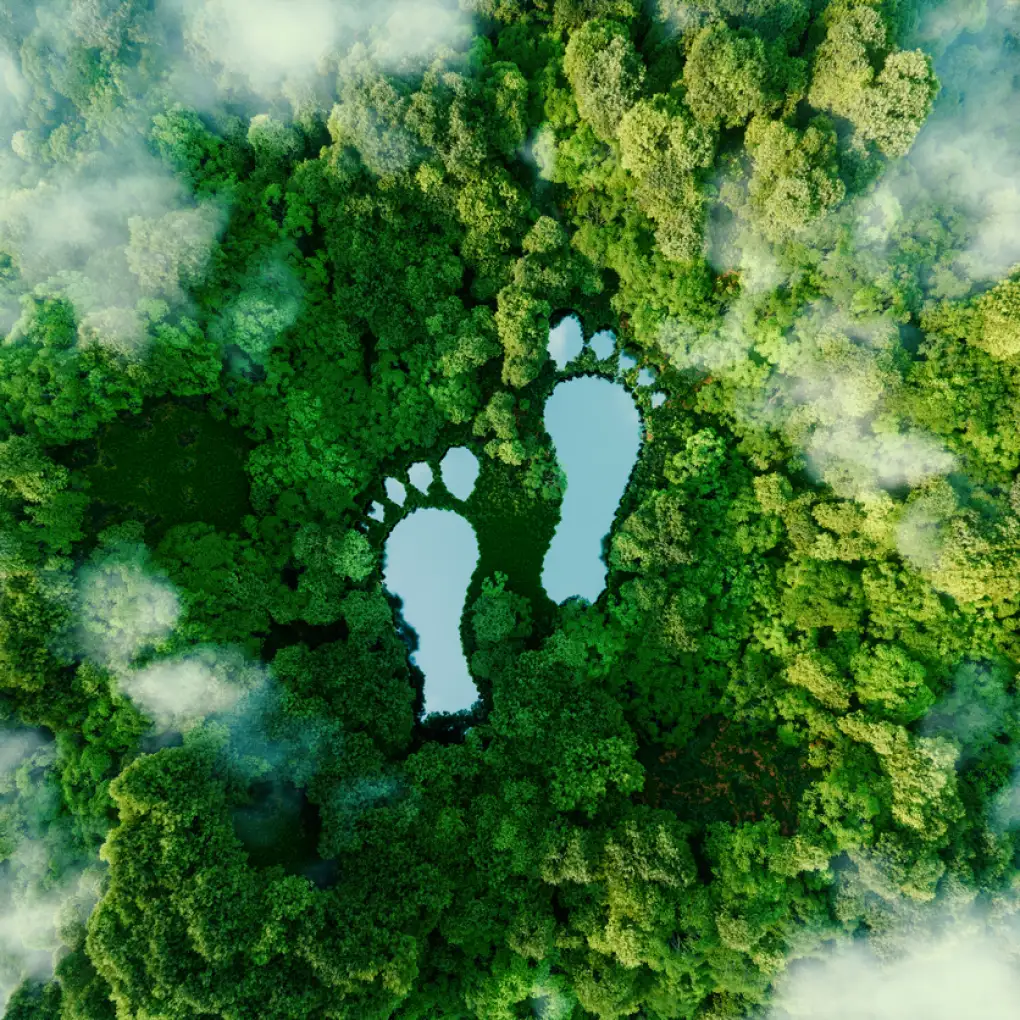
About 80% of Yukon remains pristine wilderness, making it a hidden gem and a true haven for adventure travellers. It features:
- Three national parks, including the iconic Kluane National Park & Reserve which is a UNESCO World Heritage Site and Yukon’s most famous park;
- Eight territorial parks, headlined by the Tombstone Territorial Park and its soaring rugged peaks and Arctic tundra;
- Canada’s highest mountain, Mount Logan (5,959 m);
- Canada’s second-longest river, the Yukon River (3,190 km);
- Part of the world’s largest non-polar icefield;
- Abundance of wildlife – there are twice as many moose as people in Yukon!
While some northern remote wilderness regions in Yukon are accessible only by plane, the southern and central regions, which we'll cover in more detail below, are very well-connected with an excellent road network. Whitehorse, Dawson City and Haines Junction are gateways to some of Yukon’s most famous wilderness landscapes. Visitors can enjoy an abundance of outdoor adventures year-round, from summer hiking in Kluane National Park & Reserve and multi-day canoeing or rafting tours on the legendary Yukon River to snowshoeing, snowmobiling, dogsledding and Aurora viewing in winter.
ALSO READ: Things to do in Yukon for adventure seekers
2. Contains part of the largest non-polar icefield in the world

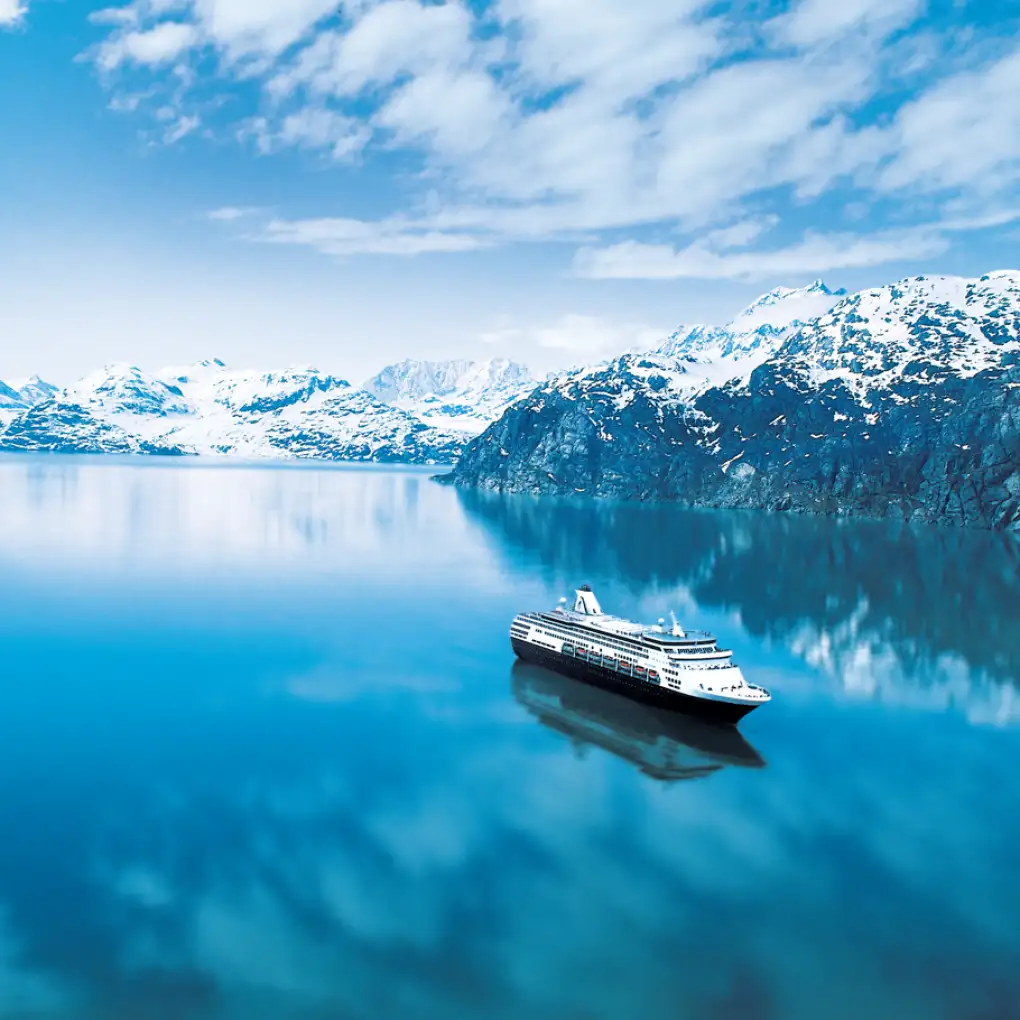
Most people automatically assume that glaciers can only be found at the North and South Poles and popular cruise destinations, such as Alaska. While it is true that about 99% of the global ice sits in the Arctic and Antarctic, there are impressive non-polar ice masses on every continent, except Australia.
Kluane National Park & Reserve in southwestern Yukon, together with Wrangell-St. Elias National Park & Reserve (Alaska), Glacier Bay National Park & Reserve (Alaska), and Tatshenshini-Alsek Provincial Park (British Columbia), is part of an impressive complex of glaciers and high peaks which are home to the largest non-polar icefield in the world.
St. Elias Icefields in Kluane boosts over 2,000 glaciers and is the source of the famous Hubbard Glacier, a top stop along many Alaska cruise routes. The gigantic glacier stretches from Mount Logan in the Yukon Territory in Canada to Disenchantment Bay in Alaska for approx. 76 miles.
One of the best ways to take in the sheer majesty of Yukon’s glacial landscapes is by plane. Some tours offer flightseeing combined with a landing on the ice near Mount Logan.
3. Kluane National Park & Reserve

Yukon is widely known for its vast wilderness, and part of this fame is due to the incredible Kluane National Park & Reserve. It is home to seventeen of Canada’s twenty highest peaks, including the country’s highest summit, Mount Logan. The park contains part of the world’s largest non-polar icefield and features over 2,000 glaciers, some of which are up to a kilometre deep. Glacial rivers criss-cross the park and form sweeping valleys while incredible wildlife, including Dall's sheep, grizzly bears, moose and caribou roam freely in the park. Kluane is a UNESCO World Heritage Site and a premier wilderness recreation destination.
Visitors can try some of the amazing outdoor adventures in the park, including:
- Hiking - from easy strolls to challenging multi-day route-finding treks in the remote backcountry;
- Camping at Kathleen Lake Campground
- Rafting at Alsek River
- Flightseeing to the park’s interior and over the Icefield Ranges
4. Abundance of wildlife

Yukon is famously known for having twice as many moose as people. But these iconic Canadian animals are not the only ones to be found in the territory.
According to the Government of Yukon, there are 165,000 barren-ground caribou, 70,000 moose, 20,000 mountain sheep, 10,000 black bears and 6,000 grizzlies across the Yukon Territory. Visitors have the chance of spotting Canada’s Big 5 here – bear, wolf, moose, elk and deer – as well as tons of other interesting animals like Arctic foxes, coyotes, wolverines, lynx, muskox, ptarmigan and eagles. There are even polar bears in the Yukon’s Arctic, on the North Slope and Herschel Island.
Some of the best places to witness Yukon’s incredible wildlife include the Yukon Wildlife Preserve near Whitehorse for guaranteed sightings, as well as Kluane National Park & Reserve and Tombstone Territorial Park for spotting wildlife in its natural habitat.
5. Gold Rush History

Between 1896 and 1899, more than 100,000 prospectors made the arduous journey up the Chilkoot and White Pass mountain trails in search of their fortunes in the Klondike. Many travelled from as far afield as San Francisco, caught up in the fever of the Gold Rush. Most prospectors braved the snowy mountain climbs in vain, but the Gold Rush is well documented through fascinating photographs and stories. Dawson City is filled with Gold Rush history, from the preserved wooden heritage buildings to the saloon doors and cancan dancers of Diamond Tooth Gerties – Canada’s oldest gambling hall.
6. Northern Lights

Vast untamed wilderness, prolific Gold Rush heritage and the northern lights; Yukon is equally famous for its shimmering night skies and for boasting one of the longest aurora viewing seasons in the world.
The natural wonder can be witnessed from mid-August to mid-April, with the prime viewing season being November-March. Much of Yukon’s territory is within the Arctic Circle and Dawson City lies right under the Auroral Oval. Top viewing spots include Whitehorse, Carcross Desert, Bennett Lake, Dawson City and Kluane National Park & Reserve.
Another major advantage that has helped make Yukon so famous and a premier destination for seeing the northern lights is its smaller crowds, easy access from Vancouver, high aurora activity and a great choice of accompanying day-time activities.
ALSO READ: The Northern Lights of Yukon – where and when to see them
7. Exhilarating winter adventures

Being so far north, you’d expect Yukon to have an impressive winter season. And it does. The region has guaranteed snow year-on-year where temperatures can drop to -40°C on some occasions (average winter temperatures are about -15 °C). But this is all part of the magical experience in the territory. So, dress up and embrace the winter as Yukoners do.
Watch the magical northern lights at night and try some of the below adventures during the day. Yukon is famous for a plethora of winter activities, including:
- Dogsledding – it is part of the history and heritage of the region, and there are plenty of opportunities to mush your own sled-dog team through the boreal forests out of Whitehorse.
- Snowmobiling – guided tours take visitors across frozen lakes and through backcountry mountain trails and boreal forests;
- Snowshoeing – from half-day to full-day guided tours, snowshoeing into the pristine and quiet snowy landscapes in Yukon is another unique experience the territory is well-known for.
- Ice-fishing – try catching lake trout, northern pike or Arctic grayling. Many local outfitters offer ice-fishing tours combined with snowshoeing or snowmobiling.
8. Midnight sun

On the flipside of those long winter nights are those long summer days with highs reaching up to 31°C (average summer temperatures are about 15°C). Between May and August, the sunlight in Yukon is intense, welcoming in millions of migratory birds and wildflower blooms. On summer solstice (June 21st) the sun doesn’t set at all within the Arctic Circle. So, the further north you venture, the more of the midnight sun you’ll see. The summer is full of festivals and activities and is a great time for driving while the roads are bright and clear of snow.
9. Road trips

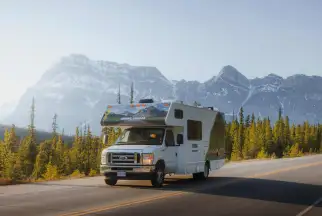
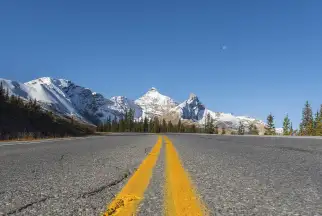
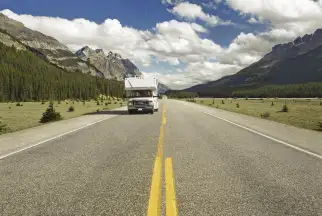
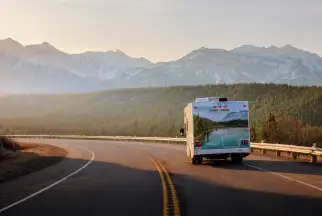
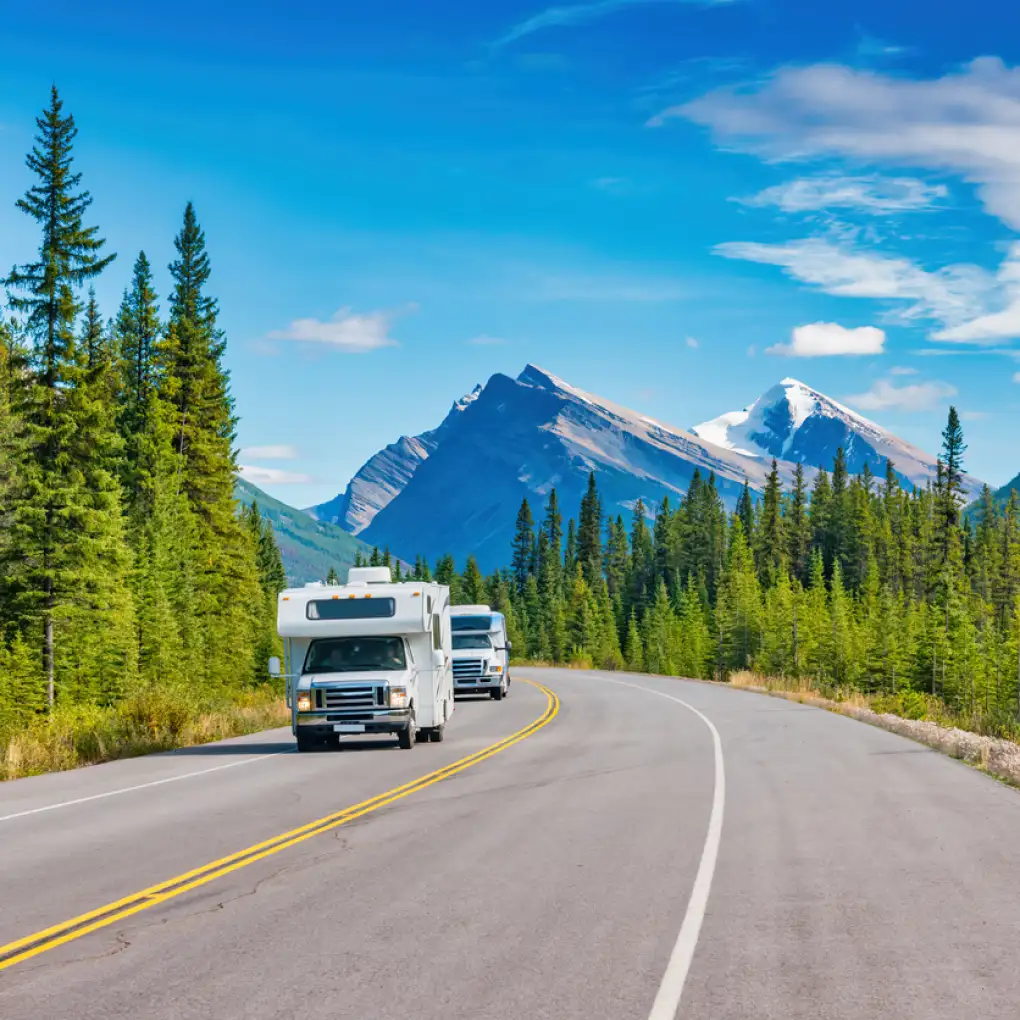
Yukon is a driver’s dream, with over 4,800 km of iconic drives and scenic roads stretching to all corners of the Territory. The roads are wide open and the traffic almost non-existent, which means it's easy to drive around and you’ve got a great chance of spotting wildlife along the way. Famous highways include the Top of the World Highway, Klondike Highway and Dempster Highway (the 458-mile-long unpaved road is the only one in Canada crossing the Arctic Circle). The Top of the World Highway links West Dawson with Alaska – the US State makes a great pairing for driving holidays in the region. The Klondike Highway links Alaska’s port town of Skagway to Dawson City, following in the footsteps of the Gold Rush pioneers.
RECOMMENDED ROAD TRIPS:
Yukon's Klondike Kluane Loop (motorhome holiday)
In The Footsteps Of The Yukon Pioneers (fly-drive holiday)
Yukon & Alaska Explorer (fly-drive holiday)
10. First Nations

The rich heritage of the region spans millennia and there are 14 distinct First Nations peoples in Yukon, along with eight language groups. Practically every town boasts an interpretive First Nations centre, so it’s the perfect time to learn more about traditional beliefs and crafts. The artwork here is astounding, from weaving and beadwork to vibrantly painted totem poles. Festivals like the Adäka Cultural Festival in Whitehorse in the first week of July celebrate First Nations singing, dancing and arts.
Canada’s northwesternmost territory is a hidden gem, a land of rugged, untamed beauty that is closer than you think and a paradise for adventure travellers. As we saw in our guide the Yukon Territory is famous for so many things and beckons to be explored on your next adventure quest.
To recap, here is what Yukon is famous for:
- Vast wilderness
- Contains part of the largest non-polar icefield in the world
- Kluane National Park & Reserve
- Abundance of wildlife, there are more moose than people on the Yukon territory
- Gold Rush history
- Northern lights
- Exhilarating winter adventures
- Midnight sun
- Road trips, including a road to the Arctic Ocean
- First Nations
Enquire about your Yukon holiday with Canadian Affair today

Tempted to see Yukon for yourself? Contact our Canada Travel experts and let us use our 30+ years’ experience to tailor-make your dream holiday, including all the things you want to do and places to visit. We will take care of all the details, from booking your accommodation, flights, car or RV hire in Canada and excursions.
For more inspiring stories, travel advice, tips and first-hand recommendations, visit our blog.

Latest Articles
What to pack for an Alaska Cruise


05/10/2026
An Alaska Cruise is a truly unique holiday that allows you to experience the wilderness and wildlife that Alaska has to offer whilst making the most of all the luxuries available on a cruise.
The Ultimate Yukon Guide: Wilderness, Adventure and Aurora
02/10/2026
Unconventional and untamed, Yukon is a paradise for the adventurous traveller seeking raw experiences and authentic cultural connections.
Top 10 things to do in Alberta during winter

19/09/2026
Alberta is the perfect winter holiday destination, a scenic wonderland packed with activities. Discover the 10 best things to do in Alberta in the winter.
The Ultimate Guide to Vancouver in Autumn 2026
01/04/2026
Discover the best events, foliage, and activities in Vancouver this autumn. Our ultimate guide to autumn in Vancouver covers it all.